
Ministry of Indigenous Relations and Reconciliation
 Last updated on March 8, 2024
The Ministry of Indigenous Relations and Reconciliation leads the B.C. Government in pursuing reconciliation with the First Nations and Indigenous peoples of British Columbia.
Featured Topics
- Declaration on the Rights of Indigenous Peoples Act
The provincial government passed legislation in November 2019 to implement the UN Declaration, which forms the foundation for the Province’s work to advance reconciliation and enshrines in law the human rights of Indigenous peoples in B.C. - Consulting First Nations
Guidelines and procedure manuals designed to assist government officials and proponents with meeting consultation obligations with First Nations. - Indigenous People
Indigenous people have distinct cultures, world views, languages and traditions that form a part of the richness of B.C.’s society today. - Reconciliation
Reconciliation and agreements focus on closing socio-economic gaps that separate Indigenous people from other British Columbians. - First Nations Negotiations
First Nations engagement, through negotiation, is pivotal to the well being of Indigenous Interests, businesses and citizens. - Economic Development
The Province supports Indigenous entrepreneurs through programs, training and funding. - Supporting Communities
The Province offers skills and expertise to build capacity and goodwill with First Nations. - Minister's Advisory Council on Indigenous Women (MACIW)
Providing advice to government and other groups on how to improve the quality of life for Indigenous women across British Columbia. - Urban & Off-Reserve Indigenous People
Learn more about engagement with the urban Indigenous population. - Culture & Language
There are over 34 First Nation languages and 61 dialects in British Columbia.
Featured Services
- Guide to Indigenous Organizations and Services
A listing of Indigenous community-based services and organizations. - First Nations Clean Energy Business Fund
Learn about Indigenous community participation in the clean energy sector. - First Citizens Fund
This fund is part of the Province's commitment to improve the quality of life for Indigenous people. - Elder Services
Each year, New Relationship Trust supports many initiatives for Elders. - Youth Services
Indigenous youth between 15 and 30 have immense potential to contribute to their communities and the Province.
Minister
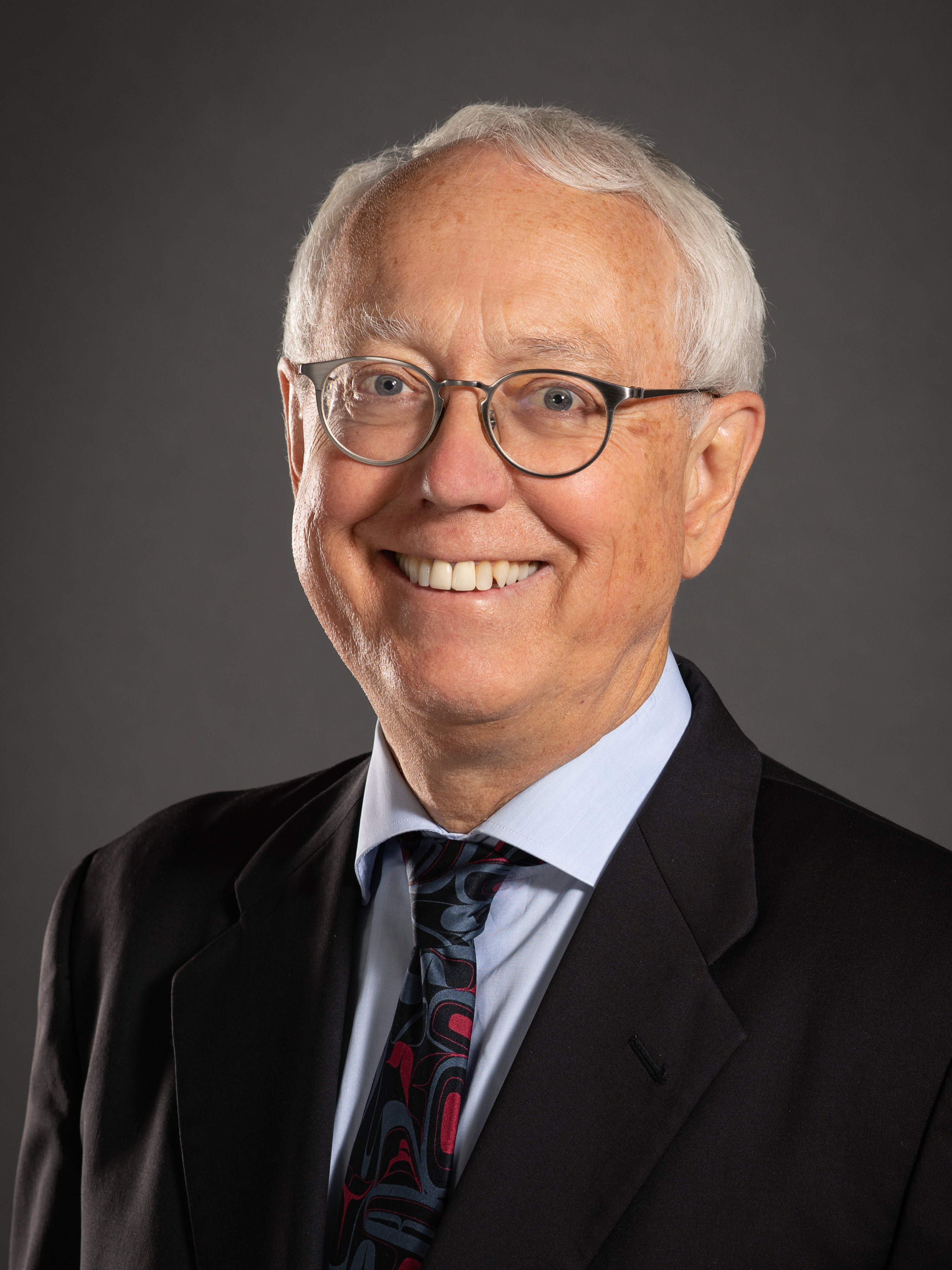
Honourable Murray Rankin
Minister of Indigenous Relations and Reconciliation
Deputy Minister
Tom McCarthy
Deputy Minister, Ministry of Indigenous Relations and Reconciliation